THOUGHTS IN FOCUS 1st Edition

Hey there!
Welcome to the first edition of Thoughts in Focus, a monthly update from Thought Focus Psychology and Assessment Clinic in Midland, Western Australia.
This newsletter is designed to share practical information, emerging research, mental health and wellbeing insights, and updates that may be relevant to clients, families, and professional community. Each month, you'll find a selection of topics, along with practice news and helpful resources.
This month, we're looking at upcoming Medicare rebate changes, developments in women's health, and important updates that may impact individuals and families. Thank you for being part of the Thought Focus community. We hope you find these updates informative, helpful, and validating.
Enjoy!
Jess
What Has Changed?
From 1 July 2026, many Medicare Benefits Schedule (MBS) items will receive an annual indexation increase of 2.6%. This means that Medicare rebates for a range of health services, including psychology services provided under a Mental Health Treatment Plan, will increase slightly. While the increase is modest, it may help to reduce out-of-pocket costs for some individuals accessing mental health support.
What does this mean?
If you attend psychology sessions under a Mental Health Treatment Plan, your Medicare rebate will increase slightly from 1 July 2026, reducing your gap fee by a small amount. No action is required—updated rebates will be processed automatically for eligible services.

MEDICARE
What Has Changed?
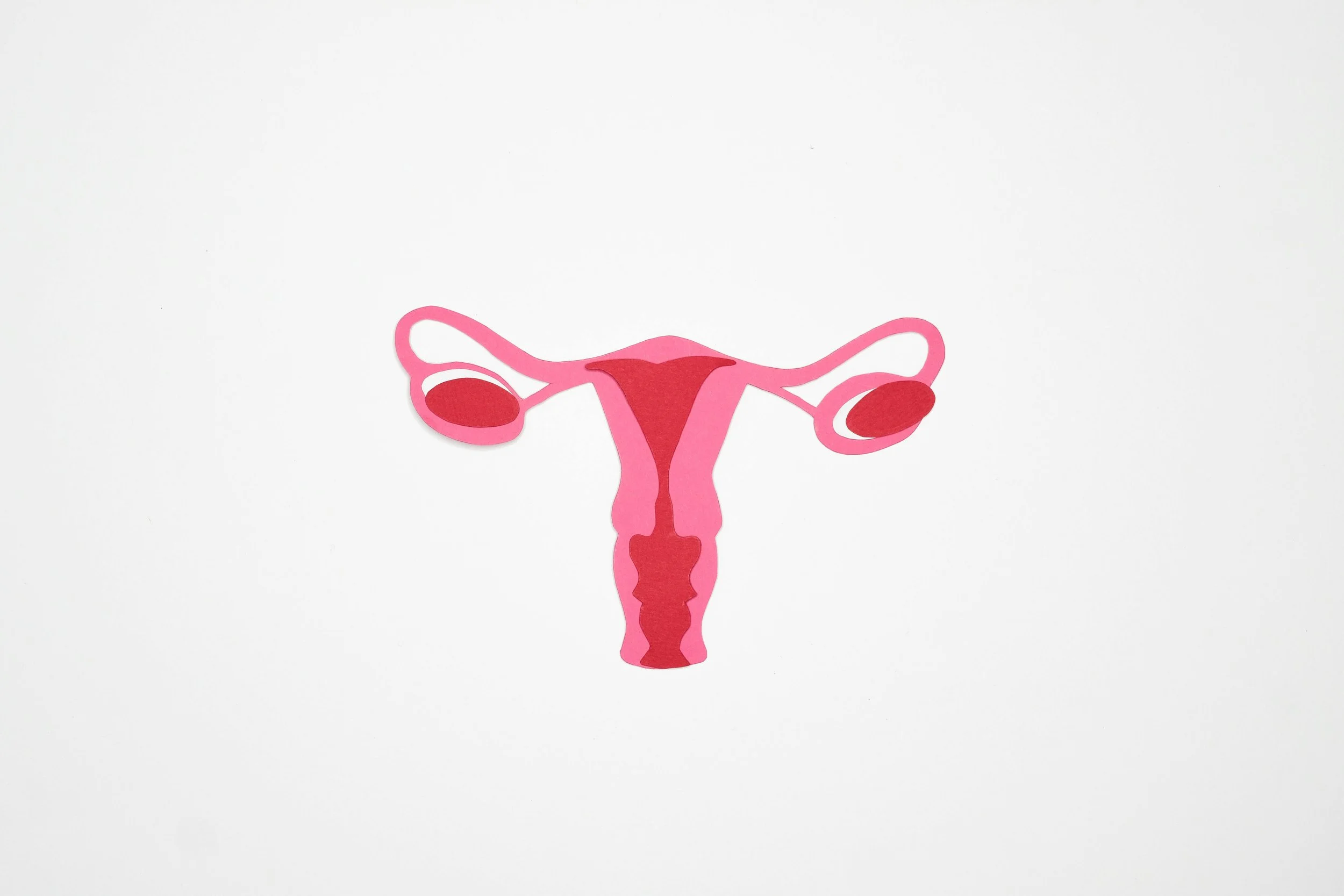
Polycystic Ovary Syndrome (PCOS) has officially been renamed Polyendocrine Metabolic Ovarian Syndrome (PMOS). The change follows growing recognition that the condition involves far more than the ovaries alone. While the previous name focused on ovarian features, the new terminology acknowledges the complex hormonal, metabolic, reproductive, and inflammatory processes that underpin the condition. Experts hope the updated name will improve understanding of the condition and better reflect the experiences of the many women affected by it.
What Does This Mean for Women?
For many women, the name change represents validation. PMOS recognises that symptoms can extend well beyond fertility and menstrual irregularities and may include insulin resistance, fatigue, weight changes, sleep difficulties, skin concerns, and increased risk of metabolic conditions. The updated terminology may help improve awareness among both healthcare providers and the broader community, supporting earlier identification, more comprehensive treatment, and a greater understanding of the challenges women often face when living with the condition.
What Does This Mean for Mental Health?
The move to PMOS is also significant from a mental health perspective. Women with PMOS experience higher rates of anxiety, depression, emotional distress, body image concerns, eating difficulties, and reduced self-esteem compared with the general population. Many women report feeling misunderstood, dismissed, or frustrated by the impact their symptoms have on daily functioning and quality of life. By recognising PMOS as a whole-body condition rather than solely a reproductive disorder, the new terminology encourages a more holistic approach to care—one that acknowledges the important relationship between physical health, hormones, emotional wellbeing, and psychological support.

PCOS is Now PMOS!
A Shift Towards Better Understanding Women's Health
Menopause and Perimenopause Finally In Focus
What Has Changed?
The Australian Government has launched the country's first-ever national Menopause and Perimenopause Campaign, marking a significant step forward in women's health. The campaign aims to provide women with trusted, evidence-based information about perimenopause and menopause, improve awareness of common symptoms, and help women feel more confident seeking support and treatment. The initiative follows recommendations from the Senate Inquiry into Menopause and Perimenopause, which highlighted that many women were entering this life stage without adequate information, support, or understanding of the changes they were experiencing. A dedicated online resource hub has also been launched to provide practical information, health resources, and guidance on accessing support.
What Does This Mean for Women?
For many women, this campaign represents long-overdue recognition of an important life stage that has historically received limited attention. Perimenopause and menopause can affect women in very different ways, with symptoms including hot flushes, sleep disturbance, fatigue, changes in concentration, joint pain, mood changes, and cognitive difficulties often referred to as "brain fog".
A common misconception is that menopause is a prolonged phase of life. Technically, menopause is a single point in time, reached once a woman has gone 12 consecutive months (365 days) without a menstrual period. Everything before that point is considered perimenopause, and everything after is post-menopause. While menopause itself is just one day, the perimenopausal transition can begin years earlier and, for some women, symptoms may persist for a decade or more before menopause is reached.
Alongside this campaign, there have also been significant improvements in access to treatment. Several menopausal hormone therapies have recently been added to the Pharmaceutical Benefits Scheme (PBS), including Prometrium® (micronised progesterone) and other commonly prescribed hormone therapies. These changes have substantially reduced the cost of treatment for many women, making evidence-based care more accessible and affordable. Since these medications were listed on the PBS, hundreds of thousands of Australian women have accessed lower-cost treatment options to help manage symptoms and improve quality of life.
By increasing public awareness, improving access to reliable information, and reducing barriers to treatment, the campaign aims to empower women to better understand their experiences, seek appropriate healthcare, and make informed decisions about treatment and support options. Importantly, it also helps normalise conversations about menopause and reduce the stigma that many women have reported experiencing.
What Does This Mean for Mental Health?
The campaign is particularly significant from a mental health perspective. Hormonal changes during perimenopause, menopause and post-menopause can have a substantial impact on emotional wellbeing, contributing to symptoms such as anxiety, low mood, irritability, reduced stress tolerance, sleep difficulties, and challenges with concentration and memory. For some women, these changes can affect relationships, work performance, self-confidence, and overall quality of life. By acknowledging the psychological as well as physical impacts of menopause, the campaign supports a more holistic understanding of women's health and reinforces the importance of seeking support when symptoms are affecting daily functioning. Increased awareness among healthcare professionals, families, workplaces, and the broader community may help women feel more understood, validated, and supported during this transition.
What Does This Mean for Neurodivergent Women?
Growing research suggests that hormonal changes during perimenopause, menopause and post-menopause may have a particularly significant impact on neurodivergent women. Fluctuations in oestrogen can influence neurotransmitters such as dopamine, which plays an important role in attention, motivation, emotional regulation, and executive functioning. As a result, many women report a worsening of autism and ADHD symptoms during perimenopause, including increased forgetfulness, difficulty concentrating, overwhelm, emotional sensitivity, and reduced ability to manage daily demands. Women may also notice increased sensory sensitivities, reduced energy levels, greater difficulty with emotional regulation, decreased capacity to mask, and a lower tolerance for social demands.
For some women, the challenges experienced during perimenopause lead them to seek assessment for ADHD or autism for the first time, as lifelong coping strategies become less effective during this period of hormonal transition. For others who have already received a diagnosis, perimenopause can feel like "ADHD on hard mode" or a time when previously successful strategies suddenly stop working.
Why This Matters
Perhaps one of the most important outcomes of this campaign will be greater recognition of the complexity of women's experiences during perimenopause. Many women have historically been labelled with anxiety or depression without consideration of the significant hormonal changes occurring during this life stage or the possibility that previously unrecognised autistic or ADHD characteristics may become more apparent. In my own clinical work, I frequently see women referred for anxiety or depression who, through deeper exploration, come to recognise the significant role that hormonal changes, neurodivergence, or the interaction between the two may be playing in their experiences. Increased awareness among healthcare professionals may help women receive more accurate and timely assessment, better-informed treatment, and the validation that their experiences are real, multifaceted, and deserving of careful consideration. It can also empower women to advocate for themselves and seek support that addresses the full picture, rather than treating symptoms in isolation. Understanding the interaction between hormones, neurodivergence, and mental health can help replace years of self-blame with self-understanding and self-compassion.
Importantly, this does not mean that psychological support is any less valuable. Regardless of whether symptoms are driven by hormonal changes, neurodivergence, mental health concerns, or a combination of factors, therapy can provide a space to better understand these experiences and develop strategies to navigate them. Psychological intervention may assist with emotional regulation, managing anxiety and overwhelm, improving self-compassion, adjusting to changing identity and life roles, navigating relationships, reducing burnout, and developing practical coping strategies to support wellbeing throughout the perimenopausal and menopausal transition.
Lexi's Corner 🐾
This month's wellbeing tip comes from Lexie.
After careful observation, Lexi has concluded that when life feels overwhelming,
there are three evidence-based strategies:
Have a snack
Find a sunny spot.
Take a nap.
While the research may still be developing, she remains very confident in her findings.
Stay Connected!
Thank you for reading this edition of Thoughts in Focus.
If you would like to learn more about the services offered at Thought Focus Psychology or book an appointment please get in touch at jessica@thoughtfocus.com.au or 0400486695.
Appointments can be booked online via our secure booking system:
📅 Click here to book an appointment
Stay hydrated, lower your shoulders, breathe and don't forget where you put your coffee.
Jess